
Instant Quote
Sydney loves its trees. Right up until one drops a branch the size of a canoe onto the Hills Hoist at 2am in a southerly. Then, suddenly, everyone’s an expert on “that thing needs to go.”
Here’s the truth nobody tells you at the local hardware store: trees in this city are basically double agents. They give you shade, they boost your street appeal, they make your Instagram grid look like a lifestyle brand — and then, without warning, they decide your roof looks better with a hole in it. Sydney’s mix of clay soils, sandstone escarpments, coastal wind tunnels and the occasional east coast low means our trees grow fast, lean hard, and drop limbs like it’s a competitive sport.
That’s where a proper local arborist earns their keep. Not the bloke with a chainsaw and a mate’s ute — an actual, qualified, insured tree crew who knows the difference between a tree that needs a trim and one that needs a funeral. This guide walks through everything homeowners, landlords, builders and body corporates across Sydney need to know about tree removal, pruning, stump grinding, mulching, land clearing and emergency call-outs — plus how a local outfit like Arborists NSW actually goes about it, so you’re not left guessing when the quote lands in your inbox.
Why Sydney Trees Need More Attention Than Your Group Chat
Unlike a lot of other capital cities, Sydney throws a genuinely wild mix of conditions at its tree population. You’ve got Sydney blue gums and eucalypts dropping bark and branches on a whim (it’s called “summer branch drop” and it’s exactly as fun as it sounds), fig trees with root systems that could bench-press a retaining wall, and jacarandas that look gorgeous for three weeks a year and drop sticky mess for the other forty-nine.
Add council tree preservation orders, strata approvals, easements, and the fact that half of Sydney is built on sandstone shelves that don’t exactly encourage deep, stable root growth, and you’ve got a recipe where DIY tree work goes wrong fast. This isn’t scare-mongering — it’s just why “why should I bother with a professional tree service” has such an easy answer: because the alternative is a hospital visit, a smashed colourbond fence, or a council fine with your name on it.
Tree Removal Sydney: When “She’ll Be Right” Stops Applying
Every second Sydney backyard has one — the tree everyone’s been “meaning to sort out.” Leaning a bit more each year. Dropping bigger branches each storm. Growing suspiciously close to the powerlines.
Signs a tree needs to come down rather than just get a haircut:
- Visible trunk cavities, fungal growth, or bark falling away in sheets
- A lean that’s gotten noticeably worse since last summer
- Roots lifting paths, driveways, or the foundations of a shed
- Dead or dying canopy on more than a third of the tree
- Storm damage that’s split a major limb or the trunk itself
Not every one of these means removal is the only option — sometimes a good structural prune buys the tree years of extra life. But when a qualified arborist assesses it and says it’s time, it’s worth trusting that call over a Facebook Marketplace opinion. The team’s approach to tree removal and tree cutting covers everything from a single backyard gum to multi-tree jobs on commercial sites, using rigging and, where needed, crane-assisted takedowns for anything too tight or too tall for a straight drop.
Tree Pruning and Trimming: The Difference Between a Haircut and a Hack Job
Pruning gets a bad rap because most people have seen it done badly — a tree “lopped” into a lollipop shape by someone with more enthusiasm than training. Real pruning is closer to surgery than landscaping. Done properly, it:
- Removes deadwood before it becomes a falling hazard
- Improves airflow and light through the canopy, which helps fight fungal disease
- Reduces weight on overextended limbs before a storm does it for you
- Keeps trees clear of rooflines, gutters, and powerlines
- Actually extends the tree’s life, rather than shortening it
The “how to do it” part matters here more than almost any other tree service — cut in the wrong spot and you can trigger decay that rots the tree from the inside out for years. It’s a genuinely skilled job, which is the whole idea behind proper tree pruning and tree trimming carried out to Australian pruning standards rather than “however looks even from the ground.”
Emergency Tree Services: For When Mother Nature Doesn’t RSVP
Sydney storm season doesn’t send a save-the-date. One minute it’s a nice arvo, the next there’s a limb through the pergola and hail dinging the Colorbond. When a tree comes down — or looks like it’s about to — speed and safety matter more than anything else.
A decent emergency crew should be able to:
- Get someone on-site fast, day or night, for genuinely hazardous situations
- Safely stabilise or remove storm-damaged limbs and trunks
- Clear driveways, roofs and access points so life can get back to normal
- Assess what’s structurally safe to leave and what needs to come down immediately
- Liaise with insurers where the damage is claimable
If there’s ever a “why should I have a number saved for this” moment, it’s here — you don’t want to be googling “arborist near me” while a branch is creaking over the carport. Save the number for emergency tree services before you need it, not during.
Stump Grinding: Because a Tree Isn’t Really Gone Until the Stump Is
Here’s a classic rookie mistake: get the tree removed, forget about the stump, then spend the next three years mowing around it, tripping over it, and watching it sprout suckers like it’s plotting a comeback. Old stumps also attract termites and fungal rot — not exactly what you want six metres from the house.
Grinding a stump down below ground level means:
- No more regrowth or root suckers popping up in the lawn
- The area’s usable again — for garden beds, paving, or just mowing in a straight line
- Less risk of pest infestations setting up shop in rotting timber
- A tidier, more sellable-looking property if you’re renovating or listing
It’s a quick job for the right equipment and a genuinely painful one without it. Stump grinding and stump removal rounds off a tree removal job properly instead of leaving a woody reminder in the middle of the yard.
Tree Mulching and Woodchipping: Turning Waste into Something Useful
Every tree removal or big prune leaves behind a mountain of branches, offcuts and leaf litter. Rather than that going to landfill, it can be mulched on-site into something your garden actually wants.
Good mulch:
- Locks moisture into garden beds through Sydney’s brutal summer dry spells
- Suppresses weeds without needing a chemical approach
- Breaks down over time to feed the soil
- Saves you a skip bin hire and a trip to the tip
It’s one of those services that quietly makes sense both for the wallet and the backyard. Tree mulching and woodchipping is usually the neat, satisfying final step after the noisy part of the job is done.
Land Clearing and Site Preparation: Getting the Block Job-Ready
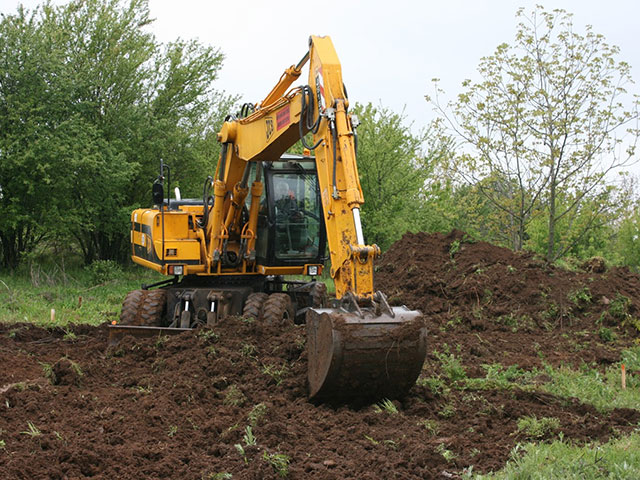
Whether it’s a new build, a granny flat, a pool, or just reclaiming an overgrown backyard that’s turned into a mini rainforest, land clearing is a different beast to a backyard tree job. It usually needs to factor in council approvals, protected species, erosion control, and coordination with whoever’s swinging into action after the clearing’s done — builders, landscapers, pool crews.
A properly run land clearing and site preparation job means the site is left safe, level, and ready for the next trade to move in — not a mess of stumps and debris holding up the whole build schedule.
So, How Does Arborists NSW Actually Do This?
This is the bit that separates a good tree service from a “we’ll figure it out on the day” outfit. The general process looks like this:
- You get in touch — phone, form, or a quick chat about what’s going on with the tree.
- A proper assessment happens — not a guess from the street, but someone actually looking at trunk condition, lean, root health, and access.
- You get a written, fixed-price quote — no surprise add-ons once the truck’s already on-site.
- The job gets scheduled around your timeline, with priority given to genuinely urgent or hazardous jobs.
- The work’s carried out safely — proper PPE, rigging, and equipment suited to the job, not a ladder and good intentions.
- Clean-up and disposal — mulching, hauling, and leaving the site tidier than they found it.
It’s worth having a look through the full run-down of tree services on offer if you’re not sure which one fits your situation — most jobs end up being a combination of two or three anyway (removal plus stump grinding is a classic pairing).
Real Jobs, Real Sydney Backyards
Talk is cheap in this industry — plenty of tree companies have a nice-sounding “About Us” page and not much else to show for it. If you want to see actual completed jobs rather than stock photography, it’s worth flicking through the portfolio of completed tree work before booking anyone in. Seeing how a crew handles a tight inner-west block or a tricky harbourside removal tells you more than any sales pitch.
Covering the Whole Sydney Basin
From the Northern Beaches down through the Inner West, out to the Hills District and across to the South West growth corridors, tree jobs look different depending on the suburb — sandstone blocks in the North Shore, tight terraces in the Inner West, big rural-residential blocks out west. It’s worth checking the list of areas serviced across Sydney to confirm coverage for your specific postcode, since travel time and access genuinely affect scheduling.
Frequently Asked Questions
Do I need council approval to remove a tree in Sydney? Often, yes — many councils across Sydney protect trees over a certain size or in significant vegetation zones, even on private property. A qualified arborist can tell you whether your tree needs a permit and can usually help with the paperwork or supporting reports.
How much does tree removal cost in Sydney? It varies a lot depending on tree height, trunk diameter, access, and whether a crane is needed. A tree hanging over a driveway with easy truck access costs a lot less to remove than one wedged between two houses with powerlines overhead. A site assessment and written quote is the only reliable way to know.
How often should trees be pruned? Most established trees benefit from a check-up every 1–3 years, though fast growers, storm-prone species, and trees near structures or powerlines often need more frequent attention.
What happens to the wood after a tree is removed? Depending on what you want, it can be mulched on-site, chipped and hauled away, or, for good firewood species, cut and left for you to keep.
Is emergency tree work available at night or on weekends? Yes — storm damage doesn’t keep business hours, and genuinely hazardous trees or fallen limbs are treated as priority call-outs whenever they happen.
Do you service strata and commercial properties, not just houses? Yes — from single backyard jobs through to strata common areas, construction sites, and commercial land clearing.
Getting It Sorted
Trees are one of those things Sydneysiders tend to ignore until they can’t be ignored anymore — usually right after a storm, or right before a building inspection flags them. If there’s a tree on your mind (leaning, dead, dropping branches, or just overdue for a decent prune), it’s worth getting it looked at before it becomes an emergency instead of a maintenance job.
Head over to get in touch with the team for a quote, or have a browse of the tree care blog for more Sydney-specific tips on keeping your trees — and your roof — in one piece.